
Wiring Harnesses in Fifth-Generation Fighter Aircraft: Why Connector Reliability Is Non-Negotiable
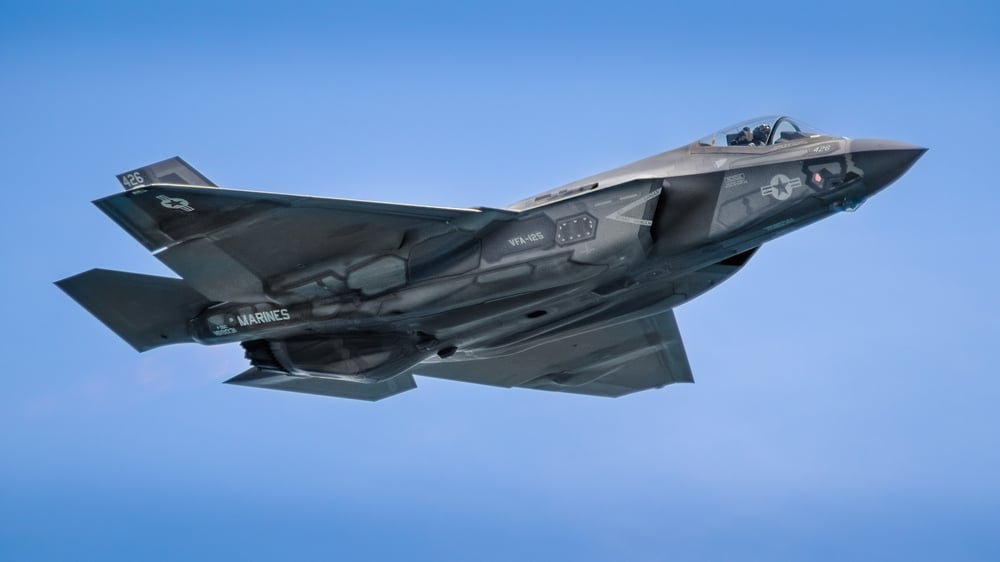
Fifth-generation fighter aircraft depend on an extraordinary volume of electrical interconnects to function. Sensors, mission computers, flight controls, and avionics modules communicate through an extensive wiring harness architecture that has to perform flawlessly under combat conditions. In a platform like the F-35, this network carries the data that feeds sensor fusion, targeting, and situational awareness systems pilots rely on in real time. A single degraded connection can compromise mission capability or, in the worst case, pilot safety. Given these stakes, connector reliability is a design requirement that shapes how these aircraft are built from the earliest engineering stages. Understanding what makes wiring harness connectors reliable in this environment means looking closely at architecture, plating specification, environmental performance, and the regulatory framework that governs defense aerospace manufacturing.
Wiring Harness Architecture in Fifth-Generation Fighters
Modern fighter aircraft integrate far more data channels and power distribution paths than previous generations, all within an airframe that hasn’t grown to accommodate them. This miniaturization pressure means wiring harnesses must pack more connections into tighter volumes without sacrificing signal integrity or serviceability. Sensor fusion architecture relies on the wiring harness network to move information reliably between distributed avionics components.
Within this system, connectors represent one of the points of greatest vulnerability. While wire runs can fail due to chafing, insulation damage, or flex fatigue, connector interfaces concentrate mechanical stress, environmental exposure, and repeated mating cycles during maintenance. Manufacturing partners like Fokker, who integrate harness assemblies directly into airframe structures, work within tolerances that leave little room for connector-level compromise. This is why connector plating specification is one of the key factors influencing long-term electrical performance and corrosion resistance throughout the life of the aircraft.
Connector Plating Requirements: The Electroless Nickel Advantage
Connector components and connector hardware often require corrosion-resistant coatings. Electroless nickel plating addresses this directly, depositing a consistent layer regardless of connector shape since the process doesn’t rely on an applied electrical current to drive deposition.
That uniformity matters because contact resistance has to stay stable across thousands of mate and unmate cycles during scheduled maintenance and component swaps. High-phosphorus electroless nickel deposits are also amorphous, meaning they lack the grain boundaries that can otherwise become initiation sites for corrosion. This matters given that these connectors are routinely exposed to thermal cycling, rain and sea water, and de-icing chemicals throughout their service life. Consistent thickness and strong adhesion at the plating-substrate interface help preserve reliable electrical performance and corrosion resistance long after installation.
Environmental Extremes: Vibration, Altitude, and Thermal Cycling
Fighter aircraft operate across a punishing range of physical conditions. High-G maneuvering loads, sustained airframe and engine vibration, and rapid temperature swings driven by altitude changes all place mechanical demands directly on connector interfaces. Repeated thermal cycling places stress on both the plating system and the underlying substrate, which can eventually produce microcracking or delamination if the coating system isn’t matched to the thermal profile of its application.
Vibration introduces a separate challenge: fretting, the small repetitive movement between mated contact surfaces that gradually wears away plating and encourages oxide formation. Coating hardness and ductility both play a role in resisting this wear, which is why plating selection has to account for the full mechanical environment a connector will face, not just its electrical function. When plating fails in this environment, the result is rarely a clean break. It’s intermittent signal loss, the kind of failure that’s difficult to diagnose and dangerous to overlook in flight-critical systems.
Signal Integrity and Contact Reliability Over Aircraft Lifecycle
Fifth-generation fighters are designed to remain in service for decades, cycling through extensive depot-level maintenance along the way. Connector plating has to maintain conductivity and low contact resistance not just at the moment of installation, but across that entire service window. Degraded contact reliability has outsized consequences for sensor fusion and avionics systems, which depend on consistent, low-latency data transfer to function as intended.
Plating specification that’s built for this lifecycle, rather than just initial qualification testing, directly reduces unscheduled maintenance events and connector replacement rates. That reliability compounds over a fleet’s operational life, where even small improvements in connector durability translate into meaningful reductions in downtime and total cost of ownership.
MIL-SPEC Compliance and Defense Manufacturing Standards
Connector plating for military aircraft applications operates within a defined framework of military detail (MIL-DTL) and performance (MIL-PRF) specifications, along with related aerospace standards, governing materials, processes, and qualification testing. These standards exist to ensure that plating performance is documented, repeatable, and traceable across the supply chain, which matters enormously when a single connector failure can trigger a fleet-wide investigation. Suppliers working within defense aerospace programs also operate under ITAR requirements, which establish strict controls over technical documentation, manufacturing data, and supply chain access.
Compliance with these standards is the basis on which airframe integrators and prime contractors accept a supplier’s plating processes into their programs in the first place. It shapes how confidently those programs can scale production without reopening qualification work later.
Conclusion
Connector reliability in fifth-generation fighter aircraft sits at the intersection of electrical performance, environmental resilience, and defense manufacturing compliance. No single element, whether it’s plating uniformity, thermal stability, or documentation, can be addressed in isolation without risking the others. As fighter platforms integrate more sensors and increasingly data-driven capability, the demands placed on wiring harness connectors will only grow.
SAT Plating works with aerospace and defense manufacturers to provide electroplating solutions engineered for the demands of fifth-generation fighter aircraft, from electroless nickel connector plating to full ITAR-compliant production runs. From prototype development through full-scale production, SAT Plating supports programs of varying size and complexity. For more information on applying electroplated components in defense aerospace wiring harness systems, contact SAT Plating to speak with a plating specialist today.