
Connector Plating for Arctic Offshore Operations: Engineering for Extreme Cold
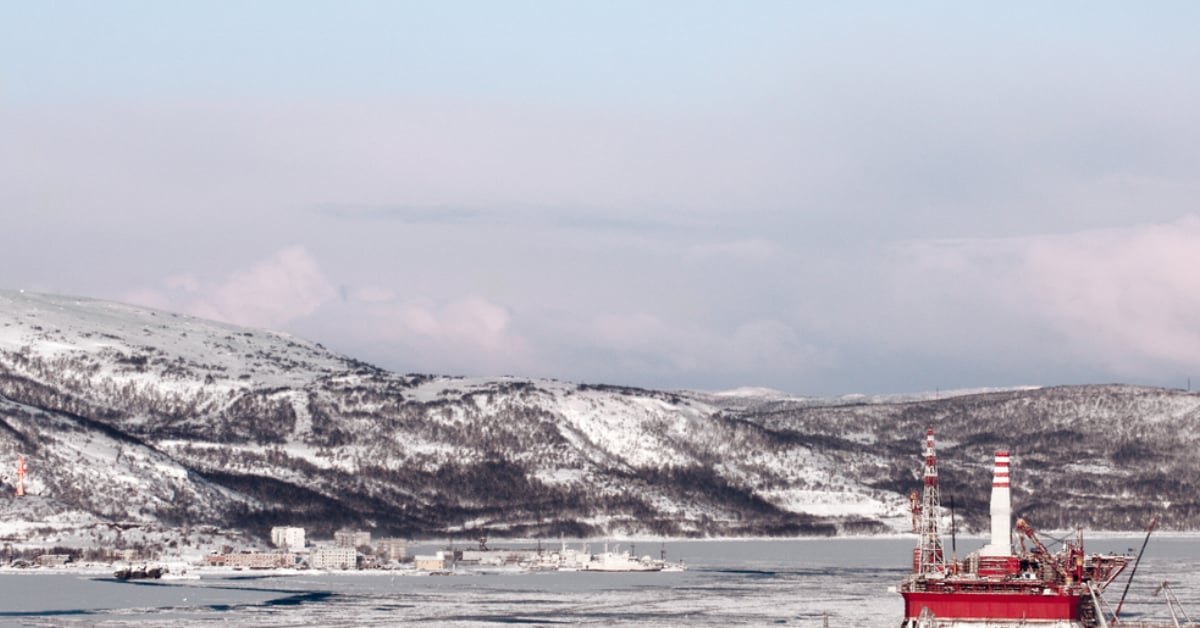
Operating electrical systems in Arctic offshore environments pushes equipment to its absolute limits. Whether it’s oil and gas platforms, wind farms, or research stations in polar regions, these facilities face a brutal combination of extreme cold, constant moisture, ice formation, and relentless saltwater exposure. When a connector fails in the Arctic, the consequences extend far beyond a simple maintenance issue. Because of the hostile conditions, lives can literally be at stake. This is why getting connector plating right from the start matters so much.
The Cold Truth About Material Performance
Most metals behave differently as temperatures drop, and not always in helpful ways. Many materials that perform flawlessly at room temperature become brittle and prone to cracking when exposed to prolonged Arctic cold. This ductile-to-brittle transition affects connector shells, contact springs, fasteners, and retention mechanisms. Copper alloys generally handle low temperatures well, maintaining reasonable ductility. However, certain stainless steels and aluminum alloys can lose impact resistance as the thermometer drops. The plating system must accommodate these material behaviors without creating additional stress points that could lead to cracking, flaking, or adhesion failure.
This is where plating expertise becomes crucial. Poorly selected or improperly applied plating can actually amplify brittleness, especially at sharp edges or areas already experiencing high mechanical stress. SAT Plating’s approach focuses on plating deposits that remain ductile and well-bonded across the entire operating temperature range that Arctic connectors will experience.
Electrical Performance When It Counts
While many conductive metals actually improve their conductivity at lower temperatures, this theoretical advantage often disappears in real-world Arctic service. Micro-cracking, oxide formation, and fretting at contact interfaces can dramatically increase contact resistance in sensitive signal connectors. The solution lies in plating thickness. Thin or porous deposits might look acceptable during initial testing but fail under actual Arctic conditions as mechanical stresses accumulate over time. Fine-grained, stress-relieved platings are essential for preserving stable electrical conductivity when temperatures plunge and stay there.
Sealing Challenges in Extreme Cold
Connector sealing systems face their own set of Arctic challenges. Elastomers used in O-rings and gaskets tend to shrink, stiffen, or lose elasticity at low temperatures, creating pathways for moisture. Once moisture gets inside a connector housing in Arctic conditions, corrosion and failure follow quickly. Surface finish plays an underappreciated but vital role in seal performance. Rough or uneven plated surfaces compromise compression and create leak paths when materials contract during cold exposure. Smooth, uniform plating supports consistent sealing pressure and improves long-term environmental protection, especially during the repeated freeze-thaw cycles common in Arctic offshore service.
Fighting Ice Accumulation
Ice buildup on exposed connectors creates both mechanical and environmental hazards. Ice can physically obstruct mating interfaces, place unexpected loads on connector housings, and trap moisture against plated surfaces. Smooth plated finishes help reduce ice adhesion by minimizing the surface irregularities where ice crystals build up. Combined with proper connector housing design that incorporates drainage paths and minimizes horizontal surfaces, the right plating approach significantly reduces ice-related problems. When ice inevitably melts and refreezes, the plating becomes your primary defense against corrosion in these salt-laden marine environments.
Thermal Cycling: The Hidden Threat
Arctic offshore connectors experience constant thermal cycling from equipment operation, seasonal changes, and maintenance activities. Different thermal expansion rates between base metals and plating layers create significant stress during these cycles. Without proper engineering, these stresses result in micro-cracking, delamination, or increased porosity in the plated layer. Over time, these defects allow moisture penetration and accelerate corrosion, even when the plating initially met all specifications. Repeated thermal cycling also promotes fretting corrosion at contact interfaces. Small relative movements caused by expansion and contraction disrupt contact surfaces, encouraging oxide formation and increasing electrical resistance. Stress-relieved plating processes combined with carefully engineered underplating layers must be used to improve adhesion and limit unwanted diffusion between base metals and final finishes.
Specialized Plating Solutions
Different Arctic applications call for different plating approaches. Tin-lead plating remains valued for its ductility and resistance to fretting corrosion, though regulatory considerations around lead use must be carefully evaluated. Nickel plating systems offer excellent corrosion resistance and barrier properties, with electroless nickel providing uniform coverage of complex geometries.
For signal-critical connectors, gold over nickel continues to be the gold standard, quite literally. Gold’s resistance to oxidation and low contact resistance make it highly reliable under fluctuating temperatures and low-signal conditions. Thickness selection becomes especially important for Arctic duty cycles, as thin gold layers may wear prematurely under combined thermal and mechanical stress.
Testing and Qualification
Validating connector plating for Arctic service requires testing far beyond standard room-temperature specifications. Testing must include low-temperature exposure testing, thermal shock and cycling tests, salt fog exposure, and ice-water immersion tests that simulate the combined environmental stresses these connectors will face. Industry standards provide helpful guidance, but many Arctic projects require additional qualification tailored to site-specific conditions. Accelerated life testing helps assess plated connector durability over extended service intervals before deployment.
The Bottom Line
Electroplated components play a critical role in the performance and service life of Arctic offshore electrical systems. Reliable plating supports stable electrical connections, protects connector interfaces from extreme cold and corrosion, and helps maintain signal integrity across power distribution, control systems, and safety monitoring applications. As offshore operators expand into colder and more remote regions, careful selection of plating materials and processes remains an essential part of connector design and long-term asset management. SAT Plating works with engineers and equipment manufacturers to provide electroplating solutions engineered for Arctic offshore environments. From prototype development to full-scale production, SAT Plating supports projects of varying size and complexity. For more information on applying electroplated components in extreme cold weather connector systems, contact SAT Plating’s customer success team today.