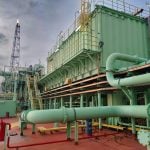

Offshore Platform Retrofit and Life Extension: Upgrading Legacy Electrical Systems
The global fleet of offshore oil and gas platforms includes hundreds of structures operating well beyond their original design lives. Built when digital controls were rare and monitoring systems were largely mechanical or pneumatic, many platforms now face the challenge of integrating modern technology into aging infrastructure. Upgrading legacy electrical systems on offshore oil and gas platforms is rarely straightforward. Connectors, cable assemblies, and distribution equipment from the 1970s and 1980s were built to specifications that may no longer exist, and sourcing compatible replacement parts can be as difficult as engineering the upgrades themselves. Getting this right matters for platform safety, regulatory compliance, and the long-term economics of continued production.
Integrating Modern Monitoring with Aging Offshore Infrastructure
Retrofitting digital monitoring and control systems into legacy electrical infrastructure creates real engineering complexity. Signal voltages, communication protocols, and connector form factors from older installations frequently do not align with current instrumentation and control equipment. Legacy installations may also lack the systematic grounding architecture that modern digital systems depend on for signal integrity, producing noise and interference problems when sensitive instrumentation is installed alongside older power distribution equipment. Successful retrofit projects begin with a thorough electrical survey documenting existing wiring, connector types, insulation conditions, and grounding topology before any new equipment is specified.
Connector Compatibility: Bridging 30+ Year-Old Installations with Current Specifications
Connector compatibility is frequently the most immediate practical obstacle in platform life extension projects. Electrical connectors from earlier decades were built to standards that have since been revised, consolidated, or replaced. Contact arrangements, shell sizes, keyway configurations, and plating specifications from that era may not correspond to anything currently in production.
Adapter and transition solutions exist but introduce their own reliability considerations. Every adapter junction is a potential point of corrosion or increased contact resistance, particularly in the wet, vibration-prone offshore environment. Mismatched plating materials at the interface, for example connecting a tin-plated legacy contact to a gold-plated modern connector, can accelerate galvanic corrosion or create fretting problems that degrade signal quality over time. In many retrofit projects, complete connector replacement with current-specification hardware is the more cost-effective path.
Corrosion Assessment and Connector Replacement Strategies on Offshore Rigs
Offshore electrical connectors accumulate corrosion damage gradually. Platforms beyond design life often carry decades of this accumulated degradation. Topside connectors may show significant base metal corrosion beneath plated surfaces that appear intact from the outside, while subsea connectors may exhibit galvanic corrosion, crevice corrosion, or hydrogen embrittlement depending on the materials and operating depth involved.
Effective assessment requires more than visual inspection. Contact resistance measurement, thermal imaging under load, and selective disassembly for plating thickness verification provide a more complete picture of actual condition. For life extension programs, a risk-based approach is typically more practical than assessing every connector individually. Safety-critical circuits governing emergency shutdown systems, fire and gas detection, and blowout prevention controls warrant the most aggressive replacement programs. The plating specified for replacement connectors should account for the extended service life anticipated through the life extension program, not just current conditions.
Digital Transformation: Upgrading to Fiber Optic and High-Speed Data Systems
One of the most significant drivers of electrical system upgrades on legacy platforms is the transition from copper-based communication infrastructure to fiber optic networks. Legacy platforms rely on multi-conductor copper cables for instrumentation, control, and communication, systems with bandwidth limitations and susceptibility to electromagnetic interference that make them poorly suited to modern data-intensive monitoring and control architectures. Subsea fiber optic systems eliminate ground loop problems, reduce cable weights, and support the high-speed digital communication protocols required by modern distributed control systems.
Hybrid connectors that carry both electrical power and fiber optic signals in a single ruggedized assembly offer a pathway for gradual transition that reduces the need for additional cable penetrations. The electrical contacts in these hybrid connectors still require appropriate plating for the offshore environment, typically gold over nickel for signal-critical contacts, while the fiber terminations demand their own quality standards for polishing, cleanliness, and return loss performance.
Budget Constraints and Prioritization: Phased Upgrade Approaches
Complete electrical system upgrades are rarely feasible in a single campaign on a producing platform. Operational constraints and budget cycles make phased approaches the practical reality for most life extension projects. Safety-critical systems represent the highest priority regardless of apparent condition. Production-critical systems whose failure would result in shutdown or significant revenue loss form the second tier as well as non-critical auxiliary systems. This tiered approach allows operators to direct capital toward the highest-risk components first while spreading investment across multiple budget periods, and lessons from early phases can often improve both quality and cost outcomes in later work scopes.
Regulatory Compliance: Meeting Modern Standards
Regulatory frameworks governing offshore electrical systems have evolved substantially since many legacy platforms were constructed. Area classification requirements, equipment protection levels for hazardous locations, and documentation requirements may differ significantly from what was in force when the original installation was certified. Most frameworks include provisions for legacy equipment, but any new or modified systems must typically meet current standards. Newly installed components, including connectors, must comply with current hazardous area classification and equipment protection requirements. Connectors used in Zone 1 or Zone 2 areas must carry appropriate ATEX, IECEx, or equivalent certifications, with plating and material specifications aligned to both the certification and the installation environment.
Supply Chain Considerations: Sourcing Components for Obsolete Connector Systems
Connector procurement is where supply chain risk is most acute in life extension projects. Designs from earlier decades may be entirely out of production, with original manufacturers having discontinued the product line or exited the market. Counterfeit components also represent a genuine risk: when legitimate sourcing channels cannot supply a required part, procurement teams may encounter unauthorized copies that lack the material quality, plating integrity, or dimensional precision of the original equipment.
Maintaining detailed records of installed connector types, manufacturer part numbers, and inspection results allows teams to plan procurement well in advance of critical need. Where obsolete connector types must be sourced, engaging directly with specialized electroplating and connector refurbishment suppliers or niche manufacturers like SAT Plating offers a controlled alternative to the open market. Existing connector shells can often be reused if mechanically sound, with worn or corroded contacts replaced and re-plated to current specifications, avoiding the authenticity risks of open-market procurement while managing costs for parts that may carry a significant obsolescence premium.
The Bottom Line
Upgrading legacy electrical systems on offshore platforms is ultimately as much for safety as it is for continued production. Connector compatibility determines whether new monitoring technology can communicate with aging infrastructure. Corrosion resistance governs how long replacement components will last in a service environment that never stops attacking exposed surfaces. Plating specification affects both, and neither can be addressed in isolation from the regulatory, procurement, and budgetary constraints that define what is actually achievable on a platform in life extension.
SAT Plating works with offshore operators, equipment manufacturers, and engineering contractors to develop electroplating solutions suited to the demands of retrofit and life extension projects. From prototype development through full-scale production, SAT Plating supports projects requiring qualified connector performance in some of the most challenging environments in the energy industry. Contact SAT Plating today to speak with a plating specialist about your application.