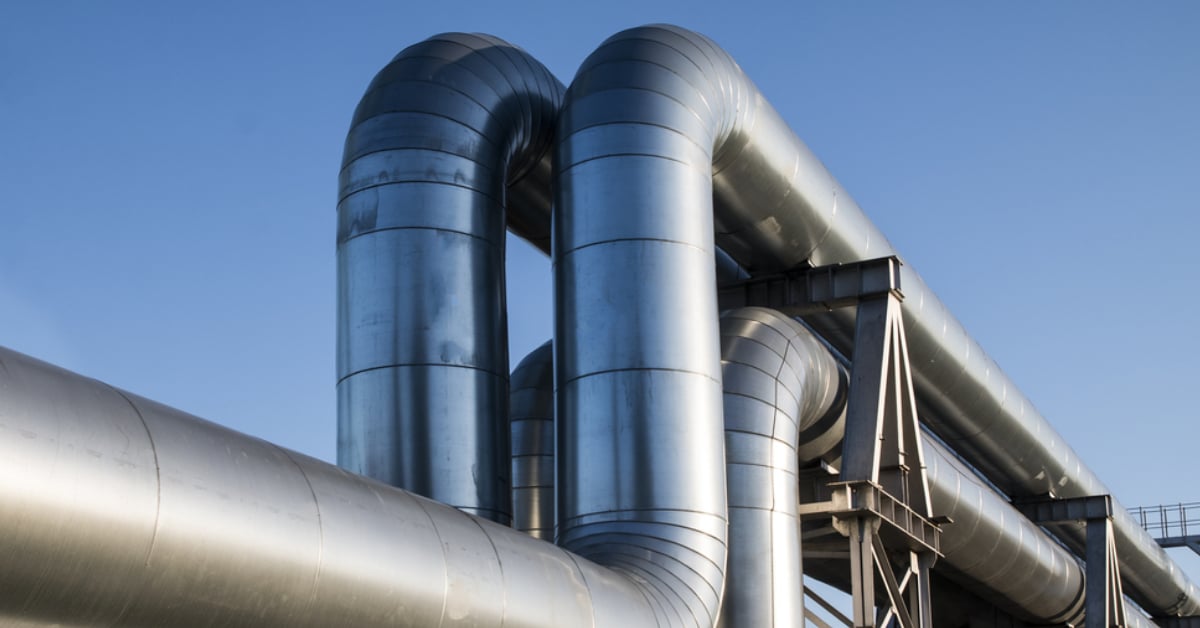

Pipeline Integrity Systems: Electroplated Components for Leak Detection and Monitoring
Maintaining pipeline integrity has become increasingly complex as infrastructure ages, regulatory scrutiny intensifies, and public expectations for safety continue to rise. Modern pipeline operators rely heavily on leak detection and monitoring technologies to identify issues early, reduce environmental risk, and protect valuable assets. Part of these monitoring systems are sensors, connectors, and signal interfaces that must perform reliably for decades in harsh environments. Electroplated components play a critical role in ensuring sensor reliability, signal accuracy, and long-term system performance.
Overview of Pipeline Leak Detection and Monitoring Technologies
Pipeline monitoring systems employ a range of technologies designed to detect leaks, corrosion activity, pressure changes, and mechanical disturbances. Cathodic protection monitoring systems measure electrical potentials along the pipeline to verify corrosion protection effectiveness. Fiber optic leak detection sensors detect temperature changes, strain, or acoustic signals that indicate leaks or third-party interference. Acoustic and pressure-based sensing technologies listen for characteristic sound signatures or pressure changes associated with fluid escape. These systems generate large volumes of data that must be transmitted over long distances, often across remote terrain. Signal transmission may rely on copper conductors, fiber optic cables, or hybrid systems. In every case, connectors, housings, and signal interfaces serve as critical junction points. If these components fail electrically or mechanically, the entire monitoring system can become unreliable, regardless of sensor sophistication.
Sensor Connector Requirements for Cathodic Protection Monitoring Systems
Cathodic protection monitoring connectors face unique electrical and environmental demands. They must maintain low contact resistance to ensure accurate potential measurements while remaining mechanically secure over long service lives. Exposure to moisture, soil chemistry, temperature fluctuations, and stray electrical currents places additional stress on these components.
Electroplating is essential to meeting these requirements. Copper, nickel, and silver plating are commonly used to enhance electrical conductivity and minimize signal loss. Tin and nickel plating are frequently selected for corrosion resistance and solderability, especially in buried or enclosed CP test stations. Plating thickness and uniformity directly affect contact resistance and long-term stability. Inconsistent or insufficient plating can introduce measurement errors that compromise corrosion control decisions and regulatory reporting.
Plating Specifications for Fiber Optic and Acoustic Leak Detection Sensors
Fiber optic and acoustic sensor interfaces present distinct challenges. These systems often operate at low signal levels or high frequencies, making them especially sensitive to surface condition and connector quality. Electroplated components are widely used in optical connectors, sensor housings, and shielded signal contacts to protect against corrosion and mechanical wear. Gold plating is frequently specified for its excellent conductivity, resistance to oxidation, and stable performance over time. Nickel underplates are commonly applied beneath gold to improve adhesion and durability. Industry standards define tight tolerances for plating thickness, porosity, and surface finish, as even minor deviations can degrade signal integrity in demanding sensing environments.
Signal Integrity Considerations for Long-Distance Pipeline Monitoring Networks
Signal integrity is a concern in long-distance pipeline monitoring networks, where data may travel miles between sensors and control centers. Connector resistance, surface oxidation, and inconsistent plating quality can all contribute to signal attenuation, noise, and intermittent faults.
Electroplated surfaces improve signal continuity by providing stable, low-resistance contact interfaces. Proper plating reduces micro-arcing, minimizes electromagnetic interference, and supports consistent data transmission over extended periods. For high-frequency or low-voltage sensor signals, plating material selection becomes even more important, as surface roughness and conductivity directly influence performance. Gold, silver, and carefully specified nickel systems are often chosen to balance electrical performance with environmental durability.
Corrosion Resistance for Buried and Exposed Sensing Equipment
Pipeline monitoring equipment may be buried underground, mounted above ground, or exposed to extreme weather conditions. Soil moisture, chlorides, sulfates, industrial chemicals, UV radiation, and temperature cycling all contribute to corrosion risk. Without adequate protection, connectors and housings can degrade long before the pipeline itself.
Electroplating provides a solid defense against these challenges. Nickel and zinc plating are commonly used for buried components due to their corrosion resistance and cost-effectiveness. In particularly aggressive environments, multi-layer plating systems combine barrier and sacrificial properties to extend service life. By reducing corrosion-related failures, proper plating lowers maintenance costs and minimizes the need for disruptive repairs.
Material Compatibility with Pipeline Coatings and Soil Conditions
Electroplated components must be compatible not only with their immediate environment but also with surrounding materials. Pipeline coatings such as epoxy, polyethylene, and fusion-bonded systems can interact electrochemically with metallic components. Improper material pairing may lead to galvanic corrosion, especially in soils with low resistivity or high moisture content.
Selecting plating materials that align with pipeline coatings and soil chemistry is a critical design consideration. Engineers must evaluate the entire system, including base metals, plating layers, and environmental conditions, to avoid unintended corrosion mechanisms. Early collaboration between system designers and plating specialists helps ensure long-term compatibility and reliability.
Integration Challenges: Legacy Infrastructure Meets Modern Monitoring Technology
Upgrading older pipeline systems with modern monitoring technology often introduces integration challenges. Legacy connectors may not conform to current standards, and aging materials or coatings can complicate retrofits. In these situations, electroplated components must be adapted without compromising system integrity or regulatory compliance. Custom plating solutions are frequently required to match non-standard geometries, restore worn surfaces, or improve performance beyond original specifications. Carefully engineered plating processes allow operators to extend the life of existing infrastructure while benefiting from advanced leak detection and monitoring capabilities.
Best Practices for Specifying Electroplated Components in Pipeline Monitoring Systems
Specifying electroplated components requires more than selecting a plating material. Engineers should evaluate supplier process control, testing methods, certification capabilities, and documentation practices. Traceability and quality assurance are essential, particularly for safety-critical monitoring systems. Close collaboration between OEMs, pipeline engineers, and plating specialists leads to better outcomes. Clear communication of performance requirements, environmental conditions, and service life expectations ensures that plating solutions are optimized for real-world operating conditions.
Conclusion: Enhancing Pipeline Safety and Reliability Through Electroplating
Electroplated components play a practical role in the performance and service life of pipeline integrity monitoring systems. Reliable plating supports stable electrical connections, protects sensing equipment from corrosion, and helps maintain signal quality across cathodic protection, fiber optic, and acoustic monitoring applications. As pipeline operators expand monitoring coverage and modernize existing infrastructure, careful selection of plating materials and processes remains an important part of system design and long-term maintenance planning.
SAT Plating works with engineers and equipment manufacturers to provide electroplating solutions tailored to pipeline monitoring environments. From early-stage development to full-scale production, SAT Plating supports projects of varying size and complexity. For more information on applying electroplated components in pipeline integrity systems, contact SAT Plating’s customer success team.